Showing posts with label cannabinoids. Show all posts

Thursday, September 25, 2014

68 Studies Marijuana Against Cancer

68 studies on the efficiency of marijuana against cancer


Mechanisms of cannabinoid action against brain tumors


Cancer is a leading cause of death in industrialised countries. So far, the treatments available from the pharmaceuticals mostly have limited efficiency, as well as a significant toxicity and strong undesirable side effects. It is known that the marijuana plant can help in a natural way and relieve symptoms of cancer and chemotherapy: pain relief, nausea, vomiting, greater appetite, improvement of mood, sleep, relationships with the environment… And we all know how important it is to have a good quality of life when fighting against any disease.

New studies show efficiency of Cannabis against Cancer (2013)
Therefore, we can now find something even more interesting: some cannabinoids in the marijuana plant have a healing action against different forms of cancer. Several testimonies are available now in social networks, particularly in the United States, where medical marijuana is much more accessible than in Europe. Examples of the most common cures are leukemia and brain tumors (gliomas), usually in children and even babies. However, these numerous testimonies are not sufficient evidence to convince the medical and scientific communities, which need reliable studies to confirm these claims. In order to rectify the situation, we propose here a (non-exhaustive) list of 68 international scientific publications, drawn from the best research laboratories, demonstrating the efficiency of the cannabinoids found in marijuana plants in the treatment of cancer.
Diagram of the cannabinoid action against cancer cells

Studies on the action of cannabinoids against cancer

  • Anti-tumor effects of marijuana. Updated publications on the website of the National Cancer Institute of the Government of the United States in May 2014.
  • Preparation and characterisation of biodegradable microparticles filled with THC and their antitumor efficacy on cancer cell lines. Study published in the Journal of Drug Targeting in September 2013.
  • The endocannabinoid system: a therapeutic target for regulating the growth of cancer.
  • Study published in the Life Science journal in March 2013.
  • CBD Cannabidiol as a potential anticancer drug. Study published in the British Journal of Pharmacology in February 2013.
  • Cannabinoids as anticancer modulators. Study published in the Progress in Lipid Research journal in January 2013.
  • CBD inhibits angiogenesis by multiple mechanisms. Study published in the British Journal of Pharmacology in November 2012.
  • Towards the use of cannabinoids as antitumour agents. Study published in Nature in June 2012.
  • Cannabinoid-associated cell death mechanisms in tumor models. Study published in the International Journal of Oncology in May 2012.
  • Cannabinoids, endocannabinoids and cancer. Study published in Cancer Metastasis Reviews in December 2011.
  • The endocannabinoid system and cancer: therapeutic implication. Study published in the British Journal of Pharmacology in July 2011.

Pr. Manuel Guzman, Cannabis vs Cancer: THC, CBD and TMZ (2014)

Marijuana against brain cancer (glioma, glioblastoma…)

  • Cannabidiol (CBD), a non-psychoactive cannabinoid compound, inhibits the proliferation and invasion in U87-MG and T98G glioma cells through a multitarget effect. Study published in the Public Library of Science journal in October 2013.
  • CBD, a novel therapeutic target against glioblastoma. Study published in Cancer Research in March 2013.
  • Local delivery of cannabinoid-filled microparticles inhibits tumor growth in a model of glioblastoma multiforme. Study published in Public Library of Science in January 2013.
  • Cannabinoid action inhibits the growth of malignant human glioma  U87MG cells. Study published in Oncology Reports in July 2012.
  • A combined preclinical therapy of cannabinoids and temozolomide against glioma. Study published in Molecular Cancer Therapeutics in January 2011.
  • Cannabidiol enhances the inhibitory effects of THC on human glioblastoma cell proliferation and survival. Study published in the Molecular Cancer Therapeutics journal in January 2010.
  • Cannabinoid action induces autophagy-mediated cell death in human glioma cells. Study published in The Journal of Clinical Investigation in May 2009.
  • Cannabinoids inhibit glioma cell invasion by down-regulating matrix metalloproteinase-2 expression. Study published in Cancer Research in March 2008.
  • Cannabinoids and gliomas, a study published in Molecular Neurobiology in June 2007.
  • Cannabinoids inhibit gliomagenesis. Study published in the Journal of Biological Chemistry in March 2007.
  • A pilot clinical study of THC in patients with recurrent glioblastoma multiforme. The results were published in the British Journal of Cancer in June 2006.
  • Cannabidiol inhibits human glioma cell migration through an independent cannabinoid receptor mechanism. Study published in the British Journal of Pharmacology in April 2005.
  • Cannabinoids inhibit the vascular endothelial growth factor pathway (VEGF) in gliomas. Study published in the Journal of Cancer Research in August 2004.
  • Antitumor effects of cannabidiol, a nonpsychoactive cannabinoid, on human glioma cell lines. Study published in the Journal of Pharmacology in November 2003.
  • Inhibition of glioma growth in vivo by selective activation of the CB2 cannabinoid receptor. Study published in the Journal of Cancer Research in August 2001.

Mechanisms of cannabinoid action against brain tumors

Marijuana against breast cancer

  • Targeting multiple cannabinoid antitumor pathways with a resorcinol derivative leads to inhibition of advanced stages of breast cancer. Study published in the British Journal of Pharmacology in June 2014.
  • CBDA, an acid form of CBD found in fiber-type cannabis, is an inhibitor of MDA-MB-231 breast cancer cell migration. Study published in Toxicology Letters in November 2012.
  • Cannabinoids: A new hope for breast cancer therapy? Study published in Cancer Treatment Reviews in June 2012.
  • Pathways mediating the effects of cannabidiol on the reduction of breast cancer cell proliferation, invasion, and metastasis.  Study published in Breast Cancer Research and Treatment in August 2011.
  • CBD induces programmed cell death in breast cancer cells by coordinating the cross-talk between apoptosis and autophagy. Study published in Molecular Cancer Therapeutics in May 2011.
  • Cannabinoids reduce ErbB2-driven breast cancer progression.  Study published in Molecular Cancer in July 2010.
  • CBD as a novel inhibitor of Id-1 gene expression in aggressive breast cancer cells. Study published in Molecular Therapeutics Research in November 2007.
  • Antitumor activity of plant cannabinoids with emphasis on the effect of cannabidiol on human breast carcinoma. Study published in the Journal of the American Society for Pharmacology and Experimental Therapeutics in May 2006.
  • THC inhibits cell cycle progression in human breast cancer cells through Cdc2 regulation. Study published in Cancer Research in July 2006.

Explanation of  cannabinoid action against breast tumors
Explanation of cannabinoid action against breast tumors

Marijuana against blood cancer  (leukemia, myeloma, lymphoma…)

  • The effects of cannabidiol and its synergism with bortezomib in multiple myeloma cell lines. Study published in the International Journal of Cancer  in December 2013.
  • Enhancing the activity of CBD and other cannabinoids against leukaemia. Study published in Anticancer Research in October 2013.
  • Cannabis extract treatment for terminal acute lymphoblastic leukemia of Philadelphia chromosome (Ph1). Study published in Case Reports in Oncology in September 2013.
  • Expression of type 1 and type 2 cannabinoid receptors in lymphoma. Study published in the International Journal of Cancer in June 2008.
  • Cannabinoid action in mantle cell lymphoma. Study published in Molecular Pharmacology in November 2006.
  • THC-induced apoptosis in Jurkat leukemia. Study published in Molecular Cancer Research in August 2006.
  • Targeting CB2 cannabinoid receptors as a novel therapy to treat malignant lymphoblastic disease. Study published in Blood American Society of Hemmatology in July 2002.

Marijuana against lung cancer

  • Cannabinoids increase lung cancer cell lysis by lymphokine-activated killer cells via upregulation of Icam-1. Study published in Biochemical Pharmacology in July 2014.
  • Cannabinoids inhibit angiogenic capacities of endothelial cells via release of tissue inhibitor of matrix metalloproteinases-1 from lung cancer cells. Study published in Biochemical Pharmacology in June 2014.
  • COX-2 and PPAR-γ confer CBD-induced apoptosis of human lung cancer cells. Study published in Molecular Cancer Therapeutics in January 2013.
  • CBD inhibits lung cancer cell invasion and metastasis via intercellular adhesion molecule-1. Study published in the Journal of the Federation of American Societies for Experimental Biology in April 2012.
  • Cannabinoid receptors, CB1 and CB2, as novel targets for inhibition of non–small cell lung cancer growth and metastasis. Study published in Cancer Prevention Research in January 2011.
  • THC inhibits epithelial growth factor-induced (EGF) lung cancer cell migration in vitro as well as its growth and metastasis in vivo. Study published in the journal Oncogene in July 2007.
Cannabinoids induce apoptosis of various cell types

Cannabinoids against colorectal cancer

  • Inhibition of colon carcinogenesis by a standardised Cannabis Sativa extract with high content of CBD. Study published in Phytomedecine in December 2013.
  • Chemopreventive effect of the non-psychotropic phytocannabinoid CBD on colon cancer. Study published in the Journal of Molecular Medecine in August 2012.
  • Cannabinoids against intestinal inflammation and cancer. Study published in Pharmacology Research in August 2009.
  • Action of cannabinoid receptors on colorectal tumor growth. Study published by the Cancer Center of the University of Texas in July 2008.
Marijuana against stomach cancer
  • Cannabinoid receptor agonist as an alternative drug in 5-Fluorouracil-resistant gastric cancer cells. Study published in Anticancer Research in June 2013.
  • Antiproliferative mechanism of a cannabinoid agonist by cell cycle arrest in human gastric cancer cells. Study published in the Journal of Cellular Biochemistry in March 2011.

Marijuana against prostate cancer

  • Non-THC cannabinoids inhibit prostate carcinoma growth in vitro and in vivo: pro-apoptotic effects and underlying mechanisms. Study published in the British Journal of Pharmacology in December 2012.
  • The role of cannabinoids in prostate cancer: Basic science perspective and potential clinical applications. Study published in the Indian Journal of Urology in January 2012.
  • Induction of apoptosis by cannabinoids in prostate and colon cancer cells is phosphatase dependent. Study published in Anticancer Research in November 2011.


Mode of action of cannabinoids against tumor cells

Marijuana against liver cancer

  • Involvement of PPARγ in the antitumoral action of cannabinoids on hepatocellular carcinoma (CHC). Study published in Cell Death and Disease in May 2013.
  • Evaluation of anti-invasion effect of cannabinoids on human hepatocarcinoma cells. Study published on the site Informa Healthcare in February 2013.
  • Antitumoral action of cannabinoids on hepatocellular carcinoma. Study published in Cell Death and Differentiation in April 2011.

Marijuana against pancreatic cancer

  • Cannabinoids inhibit energetic metabolism and induce autophagy in pancreatic cancer cells. Study published in Cell Death and Disease in June 2013.
  • Cannabinoids Induce apoptosis of pancreatic tumor cells. Study published in Cancer Research in July 2006.

Marijuana against skin cancer


Marijuana against other types of cancer

  • Bladder: Marijuana reduces the risk of bladder cancer. Study published in the Medscape site in May 2013.
  • Kaposi sarcoma: Cannabidiol inhibits growth and induces programmed cell death in Kaposi sarcoma–associated herpesvirus-infected endothelium. Study published in the journal Genes & Cancer in July 2012.
  • Nose, mouth, throat, ear: Cannabinoids like THC inhibit cellular respiration of human oral cancer cells. Study by the Department of Pediatrics at the State University of New York, published in June 2010.
  • Bile duct: The dual effects of THC on cholangiocarcinoma cells: anti-invasion activity at low concentration and apoptosis induction at high concentration. Study published in Cancer Investigation in May 2010.
  • Ovaries: Cannabinoid receptors as a target for therapy of ovarian cancer. Study published on the American Association for Cancer Research website in 2006.
Finally, it’s worth highlighting from these publications that the efficacy of cannabinoids against cancer depends on the dose: the higher the dose, the more important the action. Since it is difficult to obtain high and constant blood concentrations of cannabinoids by consuming marijuana plants in the usuall ways (smoking, vaporizing…) most patients use extractions of cannabinoids. The most popular extraction is called Rick Simpson’s oil .
Efficiency of cannabinoids against cancer
We advise you to use a high CBD marijuana strain for your extractions, for this non-psychoactive cannabinoid seems to be the one with best anti-tumor properties.
We greatly appreciate the research work carried out by Dr Manuel Guzman’s team at the Universidad Complutense de Madrid for their current work on the use of cannabinoids against cancer.
Do not hesitate to share this information in your community, particularly if you know doctors who do cancer research, and obviously with people suffering from this disease and seeking a natural, effective and safe complementary therapy.
The current legislation on medical marijuana is not adapted to the medical information available today.


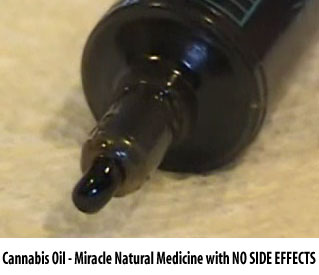
Wednesday, April 3, 2013

US Patent No 6630507


I am borrowing this picture above that was posted on the internet.  I've noticed that the US Patent # posted on the picture is not the same Patent # I am sharing with you here.  I have not yet researched for the Patent # mentioned in the picture but I do have information below on Patent # 6630507

US Patent 6630507 -

Cannabinoids as antioxidants and neuroprotectants

The US government holds a patent on medical hemp unlike many of us were led to believe.  Many of us were under the impression that it was a major drug company which held the patent.

We confirmed it at the patent office, that the United States Government, who has imprisoned and caused the untimely deaths of many over the issue of marijuana/hemp, holds a patent on medical hemp. They made it illegal for us to study and use one of the most effective medicines on the planet while they took their time getting a patent on it.

The Department of Health and Human Services hold the patent 6630507, Cannabinoids as antioxidants and neuroprotectants, a medical hemp patent.

Below is the text of the patent,
US Patent No 6630507,

US Patent Issued on
October 7, 2003

Abstract

Cannabinoids have been found to have antioxidant properties, unrelated to NMDA receptor antagonism. This new found property makes cannabinoids useful in the treatment and prophylaxis of wide variety of oxidation associated diseases, such as ischemic, age-related, inflammatory and autoimmune diseases.

The cannabinoids are found to have particular application as neuroprotectants, for example in limiting neurological damage following ischemic insults, such as stroke and trauma, or in theatreatment of neurodegenerative diseases, such as Alzheimer's disease, Parkinson's disease, HIV  and dementia. 

Nonpsychoactive cannabinoids, such as cannabid oil, are particularly advantageous to use because they avoid toxicity that is encountered with psychoactive cannabinoids at high doses useful in the method of the present invention.

A particular disclosed class of cannabinoids useful as neuroprotective antioxidants is formula(I) where in the R group is independently selected from the group consisting of H, CH3, and COCH3. ##STR1##

Inventor(s) Hampson, Aidan J.
Axelrod, Julius
Grimaldi, Maurizio

Assignee The United States of America as represented by the Department of Health and Human Services


ApplicationNo. 09/674028 filed on 02/02/2001

Current US Class
514/454 Tricyclo ring system having the hetero ring as one of the cyclos

Field of Search
514/454 Tricyclo ring system having the hetero ring as one of the cyclos

ExaminersPrimary:
Weddington, Kevin E.

Attorney, Agent or Firm Klarquist Sparkman, LLP

US Patent References 2304669, 4876276, (3S-4S)-7-hydroxy-Ɗ6 -tetrahydrocannabinols Issued on: 10/24/1989 Inventor: Mechoulam, et al.5227537,   Method for the production of 6,12-dihydro-6-hydroxy-cannabidiol and the use thereof for the production of trans-delta-9-tetrahydrocannabinol Issued on: 07/13/1993 Inventor: Stoss, et al.5284867, NMDA-blocking pharmaceutical compositions Issued on: 02/08/1994 Inventor: Kloog, et al.5434295, Neuroprotective pharmaceutical compositions of 4-phenylpinene derivatives and certain novel 4-phenylpinene compounds Issued on: 07/18/1995 Inventor: Mechoulam, et al.5462946, Nitroxides as protectors against oxidative stress Issued on: 10/31/1995 Inventor: Mitchell, et al.5512270, Method of inhibiting oxidants using alkylaryl polyether alcohol polymers Issued on: 04/30/1996 Inventor: Ghio, et al.5521215, NMDA-blocking pharmaceuticals Issued on: 05/28/1996 Inventor: Mechoulam, et al.5538993, Certain tetrahydrocannabinol-7-oic acid derivatives Issued on: 07/23/1996 Inventor: Mechoulam, et al.5635530, (3S,4S)-delta-6-tetrahydrocannabinol-7-oic acids and derivatives thereof, processors for their preparation and pharmaceutical compositions containing them Issued on: 06/03/1997 Inventor: Mechoulam, et al.5696109, Synthetic catalytic free radical scavengers useful as antioxidants for prevention and therapy of disease Issued on: 12/09/1997 Inventor: Malfroy-Camine, et al.6410588 Use of cannabinoids as anti-inflammatory agents Issued on: 06/25/2002 Inventor: Feldmann, et al.International classA61K 31/35 (20060101)

Other References

Windholz et al., The Merck Index, Tenth Edition (1983) p. 241, abstract No. 1723.
Mechoulam et al., "A Total Synthesis of d1-Ɗ1 -Tetrahydrocannabinol, the Active Constituent of Hashish1," Journal of the American Chemical Society, 87:14:3273-3275 (1965)
Mechoulam et al., "Chemical Basis of Hashish Activity,"
Science, 18:611-612 (1970)
Ottersen et al., "The Crystal and Molecular Structure of Cannabidiol," Acta Chem. Scand. B 31, 9:807-812 (1977)
Cunha et al., "Chronic Administration of Cannabidiol to Healthy Volunteers and Epileptic Patients1," Pharmacology, 21:175-185 (1980)
Consroe et al., "Acute and Chronic Antiepileptic Drug Effects in Audiogenic Seizure-Susceptible Rats," Experimental Neurology, Academic Press Inc., 70:626-637 (1980)
Turkanis et al., "Electrophysiologic Properties of the Cannabinoids," J. Clin. Pharmacol., 21:449S-463S (1981)
Carlini et al., "Hypnotic and Antielpileptic Effects of Cannabidiol," J. Clin. Pharmacol., 21:417S-427S (1981)
Karler et al., "The Cannabinoids as Potential Antiepileptics," J. Clin. Pharmacol., 21:437S-448S (1981)
Consroe et al., "Antiepileptic Potential of Cannabidiol Analgos," J. Clin. Pharmacol., 21:428S-436S (1981)
Colasanti et al., "Ocular Hypotension, Ocular Toxicity,a nd Neurotoxicity in Response to Marihuana Extract and Cannabidiol," Gen Pharm., Pergamon Press
Ltd., 15(6):479-484 (1984)
Colasanti et al., "Intraocular Pressure, Ocular Toxicity and Neurotoxicity after Administration of Cannabinol or Cannabigerol," Exp. Eye Res., Academic Press Inc., 39:251-259 (1984)
Volfe et al., "Cannabinoids Block Release of Serotonin from Platelets Induced by Plasma frm
Migraine Patients," Int. J. Clin. Pharm. Res., Bioscience Ediprint Inc., 4:243-246 (1985)
Agurell et al., "Pharmacokinetics and Metabolism of Ɗ1 -Tetrahydrocannabinol and Other Cannabinoids with Emphasis on Man*," Pharmacological Reviews, 38(1):21-43 (1986)
Karler et al., "Different Cannabinoids Exhibit Different Pharmacological and Toxicological Properties,"NIDA Res. Monogr., 79:96-107 (1987)
Samara et al., "
Pharmacokinetics of Cannabidiol in Dogs," Drug Metabolism and Disposition, 16(3):469-472 (1988)
Choi, "Glutamate Neurotoxicity and Diseases of the Nervous System," Neuron, Cell Press, 1:623-634 (1988)
Eshhar et al., "Neuroprotective and Antioxidant Activities of HU-211, A Novel NMDA Receptor Antagonist," European Journal of Pharmacology, 283:19-29 (1995)
Skaper et al., "The ALIAmide Palmitoylethanolamide and Cannabinoids, but not Anandamide, are Protective in a Delayed Postglutamate Paradigm of Excitotoxic Death in Cerebellar Granule Neurons," Neurobiology, Proc. Natl. Acad. Sci. USA, 93:3984-3989 (1996)
Alonso et al., "Simple Synthesis of 5-Substituted Resorcinols: A Revisited Family of Interesting Bioactive Molecules," J. Org. Chem., American Chemical Society, 62(2):417-421 (1997)
Combes et al. "A Simple Synthesis of the Natural 2,5-Dialkylresorcinol Free Radical Scavenger Antioxidant: Resorstation," Synthetic Communications, Marcel Dekker, Inc., 27(21):3769-3778 (1997)
Shohami et al., "Oxidative Stress in Closed-Head
Injury: Brain Antioxidant Capacity as an Indicator of Functional Outcome," Journal of Cerebral Blood Flow and Metabolism, Lippincott-Raven Publishers, 17(10):1007-1019 (1997)
Zurier et al., "Dimethylheptyl-THC-11 OIC Acid,"
Arthritis & Rheumatism, 41(1):163-170 (1998)
Hampson et al., "Dual Effects of Anandamide on NMDA Receptor-Mediated Responses and Neurotransmission," Journal of Neurochemistry, Lippincott-Raven Publishers, 70(2):671-676 (1998)
Hampson et al., "Cannabidiol and (-)Ɗ9 -tetrahydrocannabiono are Neuroprotective Antioxidants,"
Medical Sciences, Proc. Natl. Acad. Sci. USA, 8268-8273 (1998)

Saturday, March 16, 2013

INTERNATIONAL MEDICAL VERITAS

Spain Study Confirms Hemp Oil Cures Cancer without Side Effects

The International Medical Veritas Association (IMVA) is putting hemp oil on its cancer protocol. It is a prioritized protocol list whose top five items are magnesium chloride, iodine, selenium, Alpha Lipoic Acid and sodium bicarbonate. It makes perfect sense to drop hemp oil right into the middle of this nutritional crossfire of anti cancer medicines, which are all available without prescription.
 
Hemp oil has long been recognised as one of the most versatile and beneficial substances known to man. Derived from hemp seeds (a member of the achene family of fruits) it has been regarded as a superfood due to its high essential fatty acid content and the unique ratio of omega3 to omega6 and gamma linolenic acid (GLA) – 2:5:1. Hemp oil, is known to contain up to 5% of pure GLA, a much higher concentration than any other plant, even higher than spirulina. For thousands of years, the hemp plant has been used in elixirs and medicinal teas because of its healing properties and now medical science is zeroing in on the properties of its active substances.
 
Both the commercial legal type of hemp oil and the illegal THC laden hemp oil are one of the most power-packed protein sources available in the plant kingdom. Its oil can be used in many nutritional and transdermal applications. In other chapters in my Winning the War on Cancer book we will discuss in-depth about GLA and cancer and also the interesting work of Dr. Johanna Budwig. She uses flax seed oil instead of hemp oil to cure cancer – through effecting changes in cell walls – using these omega3 and omega6 laden medicinal oils.
 
Actually there is another way to use medical marijuana without smoking the leaf. According to Dr. Tod H. Mikuriya, “The usual irritating and toxic breakdown products of burning utilized with smoking are totally avoided with vaporization. Extraction and inhaling cannabinoid essential oils below ignition temperature of both crude and refined cannabis products affords significant mitigation of irritation to the oral cavity, and tracheobronchial tree from pyrollytic breakdown products.[iii]

 
Rick Simpson, the man in the documentary below, has been making hemp oil and sharing it with friends and neighbors without charging for it. In small doses, he says, it makes you well without getting you high. “Well you can’t deny your own eyes can you?” Simpson asks. “Here’s someone dying of cancer and they’re not dying anymore. I don’t care if the medicine comes from a tomato plant, potato plant or a hemp plant, if the medicine is safe and helps and works, why not use it?” he asks.
 
When a person has cancer and is dying this question reaches a critical point. The bravery of Rick Simpson from Canada in showing us how to make hemp oil for ourselves offers many people a hope that should be increasingly appreciated as money dries up for expensive cancer treatments. We are going to need inexpensive medicines in the future and there is nothing better than the ones we can make reasonably cheaply ourselves.
 

For most people in the world it is illegal so the choice could come down to breaking the law or dying. There is no research to indicate what advantages oral use of hemp oil vs. vaporization but we can assume that advantage would be nutritional with oral intake. Dr. Budwig work would sustain this point of view especially for cancer patients.

The Science

According to Dr. Robert Ramer and Dr. Burkhard Hinz of the University of Rostock in Germany medical marijuana can be an effective treatment for cancer.[v] Their research was published in the Journal of the National Cancer Institute Advance Access on December 25th of 2007 in a paper entitled Inhibition of Cancer Cell Invasion by Cannabinoids via Increased Expression of Tissue Inhibitor of Matrix Metalloproteinases-1.
 
The biggest contribution of this breakthrough discovery, is that the expression of TIMP-1 was shown to be stimulated by cannabinoid receptor activation and to mediate the anti-invasive effect of cannabinoids. Prior to now the cellular mechanisms underlying this effect were unclear and the relevance of the findings to the behavior of tumor cells in vivo remains to be determined.

 
Marijuana cuts lung cancer tumor growth in half, a 2007 Harvard Medical School study shows.[vi] The active ingredient in marijuana cuts tumor growth in lung cancer in half and significantly reduces the ability of the cancer to spread, say researchers at Harvard University who tested the chemical in both lab and mouse studies.
 
 
This is the first set of experiments to show that the compound, Delta-tetrahydrocannabinol (THC), inhibits EGF-induced growth and migration in epidermal growth factor receptor (EGFR) expressing non-small cell lung cancer cell lines. Lung cancers that over-express EGFR are usually highly aggressive and resistant to chemotherapy. THC that targets cannabinoid receptors CB1 and CB2 is similar in function to endocannabinoids, which are cannabinoids that are naturally produced in the body and activate these receptors.
 
“The beauty of this study is that we are showing that a substance of abuse, if used prudently, may offer a new road to therapy against lung cancer,” said Anju Preet, Ph.D., a researcher in the Division of Experimental Medicine. Acting through cannabinoid receptors CB1 and CB2, endocannabinoids (as well as THC) are thought to play a role in variety of biological functions, including pain and anxiety control, and inflammation.
 
Researchers reported in the August 15, 2004 issue of Cancer Research, the journal of the American Association for Cancer Research, that marijuana’s constituents inhibited the spread of brain cancer in human tumor biopsies.[vii]

In a related development, a research team from the University of South Florida further noted that THC can also selectively inhibit the activation and replication of gamma herpes viruses. The viruses, which can lie dormant for years within white blood cells before becoming active and spreading to other cells, are thought to increase one’s chances of developing cancers such as Kaposi’s Sarcoma, Burkitt’s lymphoma and Hodgkin’s disease.[viii]

 
In 1998, a research team at Madrid’s Complutense University discovered that THC can selectively induce programmed cell death in brain tumor cells without negatively impacting surrounding healthy cells. Then in 2000, they reported in the journal Nature Medicine that injections of synthetic THC eradicated malignant gliomas (brain tumors) in one-third of treated rats, and prolonged life in another third by six weeks.[ix]

 
Led by Dr. Manuel Guzman the Spanish team announced they had destroyed incurable brain cancer tumors in rats by injecting them with THC. They reported in the March 2002 issue of “Nature Medicine” that they injected the brains of 45 rats with cancer cells, producing tumors whose presence they confirmed through magnetic resonance imaging (MRI). On the 12th day they injected 15 of the rats with THC and 15 with Win-55,212-2 a synthetic compound similar to THC.[x]

Researchers at the University of Milan in Naples, Italy, reported in the Journal of Pharmacology and Experimental Therapeutics that non-psychoactive compounds in marijuana inhibited the growth of glioma cells in a dose-dependent manner, and selectively targeted and killed malignant cells through apoptosis. “Non-psychoactive CBD produce[s] a significant anti-tumor activity both in vitro and in vivo, thus suggesting a possible application of CBD as an antineoplastic agent.”[xi]

 
The first experiment documenting pot’s anti-tumor effects took place in 1974 at the Medical College of Virginia at the behest of the U.S. government. The results of that study, reported in an Aug. 18, 1974, Washington Post newspaper feature, were that marijuana’s psychoactive component, THC, “slowed the growth of lung cancers, breast cancers and a virus-induced leukemia in laboratory mice, and prolonged their lives by as much as 36 percent.”[xii]


Funded by the National Institute of Health to find evidence that marijuana damages the immune system, found instead that THC slowed the growth of three kinds of cancer in mice — lung and breast cancer, and a virus-induced leukemia. The DEA quickly shut down the Virginia study and all further cannabis/tumor research even though the researchers “found that THC slowed the growth of lung cancers, breast cancers and a virus-induced leukemia in laboratory mice, and prolonged their lives by as much as 36 percent.”


“Antineoplastic Activity of Cannabinoids,” an article in a 1975 Journal of the National Cancer Institute reports, “Lewis lung adenocarcinoma growth was retarded by the oral administration of tetrahydrocannabinol (THC) and cannabinol (CBN)” — two types of cannabinoids, a family of active components in marijuana. “Mice treated for 20 consecutive days with THC and CBN had reduced primary tumor size.”
 
 
Marijuana relieves pain that narcotics like morphine and OxyContin have hardly any effect on, and could help ease suffering from illnesses such as multiple sclerosis, diabetes and cancer.[xiii]

 
According to Devra Davis in her book Secret History of the War on Cancer, 1.5 million lives have been lost because Americans failed to act on existing knowledge about the environmental causes of cancer. It is impossible to calculate the added deaths from suppressed ‘cancer cures’ but we do know of the terrible suffering of hundreds of thousands of people who have been jailed for marijuana use.
 

Hemp oil with THC included has the making of a primary cancer treatment, which even alone seems to have a great chance of turning the tide against cancer tumors. It has the added advantage of safety, ease of use, lack of side effects and low cost if one makes it oneself. Surrounded by other medicinal anti-cancer substances in a full protocol it’s hard to imagine anyone failing and falling in their war on cancer.
 
THC should be included in every cancer protocol.
 

Sodium bicarbonate is another excellent anti tumor substance that reduces tumors but is much more difficult to administer than THC hemp oil. Cannabinoids are able to pass through all barriers in the body like Alpha Lipoic Acid so simple oral intake is sufficient. With bicarbonate we need intravenous applications and often even this is not sufficient, often we have to use catheters and few doctors in the world are willing to administer this way.
 

In the end all cancer treatments that are not promoted by mainstream oncology are illegal. No licensed doctor is going to claim that are curing cancer with sodium bicarbonate though they will treat people with cancer explaining they are balancing pH or some other metabolic profile with this common emergency room medicine found also most kitchens of the world. More than several states have passed laws making medical marijuana legal but the federal government will not relax and let people be free to choose their treatments even if their lives depend on it.
 
Davis notes that the cowardice of research scientists, who publish thoroughly referenced reports but pull their punches at the end, by claiming that more research needs to be done before action can be taken. Statements like these are exploited by industry that buys time to make much more money. It is a deliberate attempt that creates wholesale public doubt from small data gaps and remaining scientific uncertainties.
 

They have done that with everything right up to and including sunlight. Everything is thought to be dangerous except the pharmaceutical drugs which are the most dangerous substances of all. Stomach wrenching chemotherapy and the death principle of radiation are legal yet safe THC laden hemp oil is not.
 
It is legal for doctors to attack people with their poisons but you can go to jail for trying to save yourself or a loved one from cancer with the oil of a simple garden weed. Our civilization has put up with this insanity but there is a great price being paid. In a mad medical world people die that need not and this is a terrible sadness that has destroyed the integrity and ethics of modern medicine.
 

The science for the use of hemp oil is credible, specific fact-based, and is documented in detail.[xiv]

There is absolutely no reason to not legalize medical marijuana and create an immediate production and distribution of THC hemp oil to cancer patients. Unfortunately we live in a world populated with governments and medical henchmen who would rather see people die cruel deaths then have access to a safe and effect cancer drug.
 

Meanwhile the Food and Drug Administration approved Genentech’s best-selling drug, Avastin, as a treatment for breast cancer, in a decision, according to the New York Times, “that appeared to lower the threshold somewhat for approval of certain cancer drugs. The big question was whether it was enough for a drug temporarily to stop cancer from worsening — as Avastin had done in a clinical trial — or was it necessary for a drug to enable patients to live longer, which Avastin had failed to do. Oncologists and patient advocates were divided, in part because of the drug’s sometimes severe side effects.”[xv]

 
The differences between Avastin and hemp oil are huge. First Avastin will earn Genentech hundreds of millions where THC hemp oil will earn no one anything. Second there are no severe or even mild side effects to taking hemp oil and lastly it is not a temporary answer but a real solution. Certainly hemp oil will ensure a longer life.


Source:


Tuesday, March 5, 2013

CANNABINOIDS Slow Cancer Growth

Mounting evidence shows ‘cannabinoids’ in marijuana slow cancer growth, inhibit formation of new blood cells that feed a tumor, and help manage pain, fatigue, nausea, and other side effects.

 
Cristina Sanchez, a young biologist at Complutense University in Madrid, was studying cell metabolism when she noticed something peculiar. She had been screening brain cancer cells because they grow faster than normal cell lines and thus are useful for research purposes. But the cancer cells died each time they were exposed to tetrahydrocannabinol (THC), the principal psychoactive ingredient of marijuana.
Instead of gaining insight into how cells function, Sanchez had stumbled upon the anti-cancer properties of THC. In 1998, she reported in a European biochemistry journal that THC “induces apoptosis [cell death] in C6 glioma cells,” an aggressive form of brain cancer. 
Subsequent peer-reviewed studies in several countries would show that THC and other marijuana-derived compounds, known as “cannabinoids,” are effective not only for cancer-symptom management (nausea, pain, loss of appetite, fatigue), they also confer a direct antitumoral effect
A team of Spanish scientists led by Manuel Guzman conducted the first clinical trial assessing the antitumoral action of THC on human beings. Guzman administered pure THC via a catheter into the tumors of nine hospitalized patients with glioblastoma, who had failed to respond to standard brain-cancer therapies. The results were published in 2006 in the British Journal of Pharmacology: THC treatment was associated with significantly reduced tumor cell proliferation in every test subject
Around the same time, Harvard University scientists reported that THC slows tumor growth in common lung cancer and “significantly reduces the ability of the cancer to spread.” What’s more, like a heat-seeking missile, THC selectively targets and destroys tumor cells while leaving healthy cells unscathed. Conventional chemotherapy drugs, by contrast, are highly toxic; they indiscriminately damage the brain and body.
There is mounting evidence, according to a report in Mini-Reviews in Medicinal Chemistry, that cannabinoids “represent a new class of anticancer drugs that retard cancer growth, inhibit angiogenesis [the formation of new blood cells that feed a tumor] and the metastatic spreading of cancer cells.”
Dr. Sean McAllister, a scientist at the Pacific Medical Center in San Francisco, has been studying cannabinoid compounds for 10 years in a quest to develop new therapeutic interventions for various cancers. Backed by grants from the National Institute of Health (and with a license from the DEA), McAllister discovered that cannabidiol (CBD), a nonpsychoactive component of the marijuana plant, is a potent inhibitor of breast cancer cell proliferation, metastasis, and tumor growth. 
In 2007, McAllister published a detailed account of how cannabidiol kills breast cancer cells and destroys malignant tumors by switching off expression of the ID-1 gene, a protein that appears to play a major role as a cancer cell conductor. 
The ID-1 gene is active during human embryonic development, after which it turns off and stays off. But in breast cancer and several other types of metastatic cancer, the ID-1 gene becomes active again, causing malignant cells to invade and metastasize. “Dozens of aggressive cancers express this gene,” explains McAllister. He postulates that CBD, by virtue of its ability to silence ID-1 expression, could be a breakthrough anti-cancer medication. 
“Cannabidiol offers hope of a non-toxic therapy that could treat aggressive forms of cancer without any of the painful side effects of chemotherapy,” says McAllister, who is seeking support to conduct clinical trials with the marijuana compound on breast cancer patients.

McAllister’s lab also is analyzing how CBD works in combination with first-line chemotherapy agents. His research shows that cannabidiol, a potent antitumoral compound in its own right, acts synergistically with various anti-cancer pharmaceuticals, enhancing their impact while cutting the toxic dosage necessary for maximum effect. 
cancer-cells-marijuana-lee
Breast cancer cells killed by CBD on right compared to untreated breast cancer cells on left.
(Courtesy Pacific Medical Center)
“Cannabidiol offers hope of a non-toxic therapy that could treat aggressive forms of cancer without any of the painful side effects of chemotherapy.
Investigators at St. George’s University in London observed a similar pattern with THC, which magnified the effectiveness of conventional antileukemia therapies in preclinical studies. THC and cannabidiol both induce apoptosis in leukemic cell lines. 
At the annual summer conference of the International Cannabinoid Research Society, held this year in Freiburg, Germany, 300 scientists from around the world discussed their latest findings, which are pointing the way toward novel treatment strategies for cancer and other degenerative diseases. Italian investigators described CBD as “the most efficacious inducer of apoptosis” in prostate cancer. Ditto for cannabidiol and colon cancer, according to British researchers at Lancaster University. 
Within the medical science community, the discovery that cannabinoids have anti-tumoral properties is increasingly recognized as a seminal advancement in cancer therapeutics.
Source: The Daily Beast